
Vantage Point
A magazine for Salesforce's most influential audience

Vol. 1 — The Teaming Issue

Vol. 2 — The Data Issue

Vol. 3 — The Metamorphosis Issue

Vol. 4 — The Trust Issue
Salesforce wanted a recurring branded publication — aimed at the senior decision-makers and prospective customers it most wanted to reach — that would feel less like corporate marketing and more like a magazine worth keeping: stories of customer impact, leadership, and the shifts reshaping industries, written and designed at a high editorial bar. Long Dash led the program in partnership with Atlantic Re:think.
I led the editorial team from the agency side, where my responsibilities included:
- Editing features, Q&As, and short-form sections
- Coordinating with writers, designers, and internal Salesforce stakeholders
- Helping hold a consistent voice and editorial standard across a mix of contributors
- Contributing to structure and lineup decisions on individual issues

Interior spread from the Data Issue — custom illustration, photography, and information design commissioned for each volume.
Produced for Salesforce by Long Dash and Atlantic Re:think, with close collaboration from the Salesforce comms team.
The hardest readers to win over are senior decision-makers — the CTOs, CIOs, and CMOs. You don't engage buyers like that with a couple of product-centric blog posts. Vantage Point worked because it gave them real substance: stories of customer impact and technology, reported and designed to the standard of a magazine worth keeping. Earning the attention of the most discerning decision-makers through editorial depth—not marketing volume—is the same standard I bring to brand work now.
If you're building an internal or external publication that needs to sound like a magazine instead of a brochure, let's talk.
Get in Touch
Google × The Atlantic — Dialogues
A partnership with The Atlantic exploring how technology reshapes public conversation.
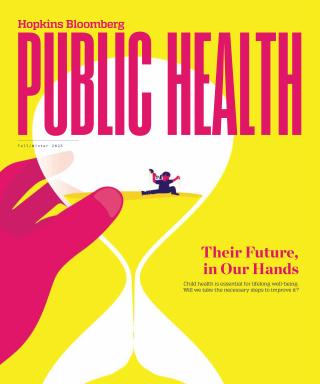
Bloomberg School Magazine
Original reporting for one of the world's leading public health institutions.
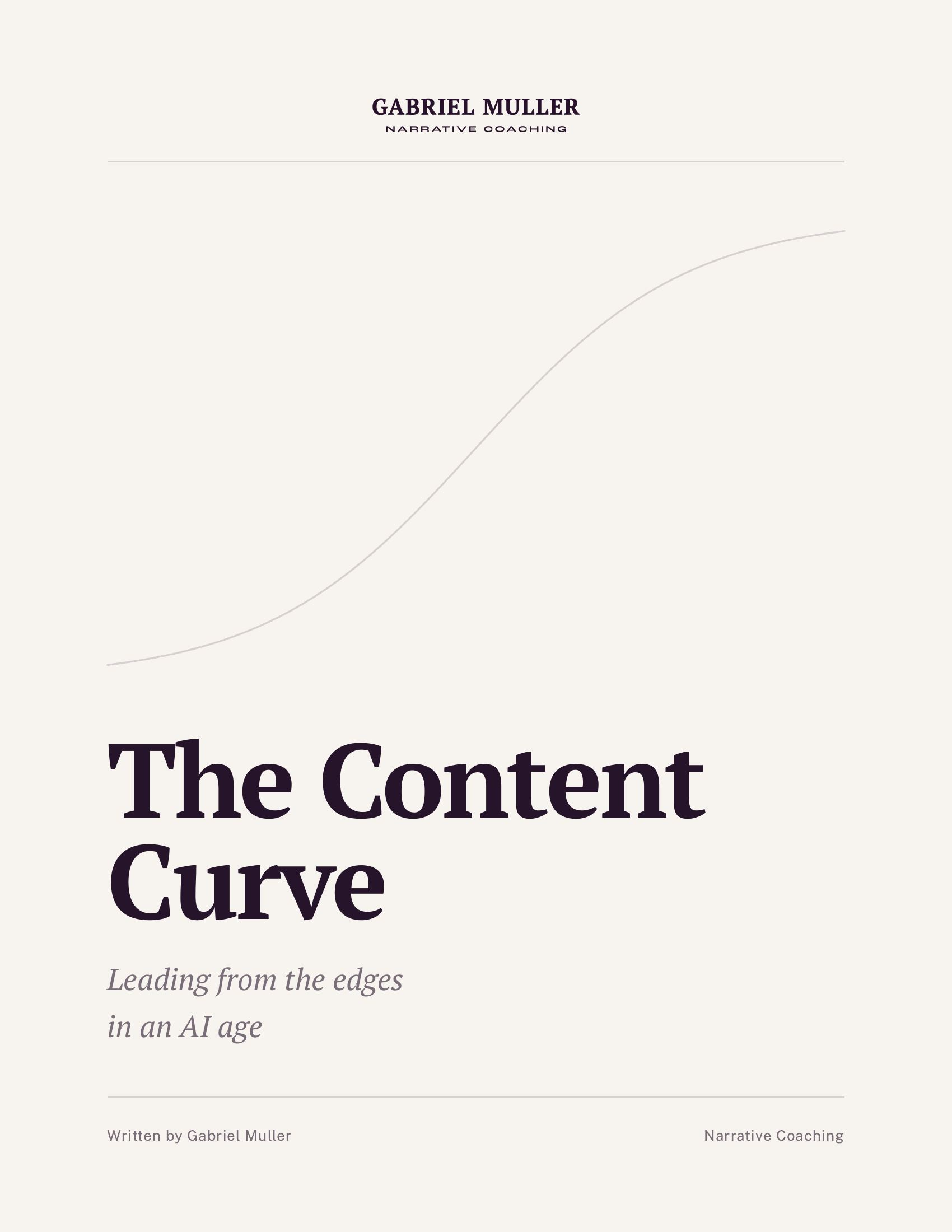
The Content Curve
An original framework mapping where human creativity leads and where AI belongs in creative work.